Free Things to Do in Seville
Places with no entry charge
Seville's parks, squares and gardens are open to everyone, and a few places have free hours, among them the cathedral on Sunday evenings, the Palacio de Lebrija on Fridays at 10:00 and the Mezquita-Catedral of Córdoba on weekday mornings. Check each page for the current rules.
54 places
All year When
The places
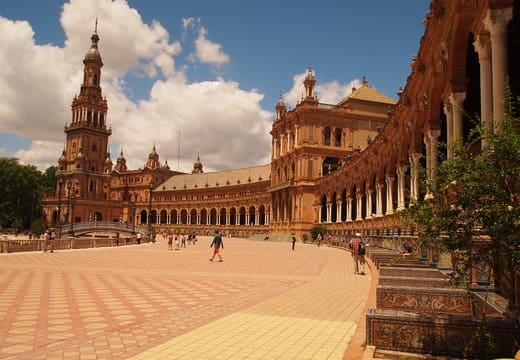
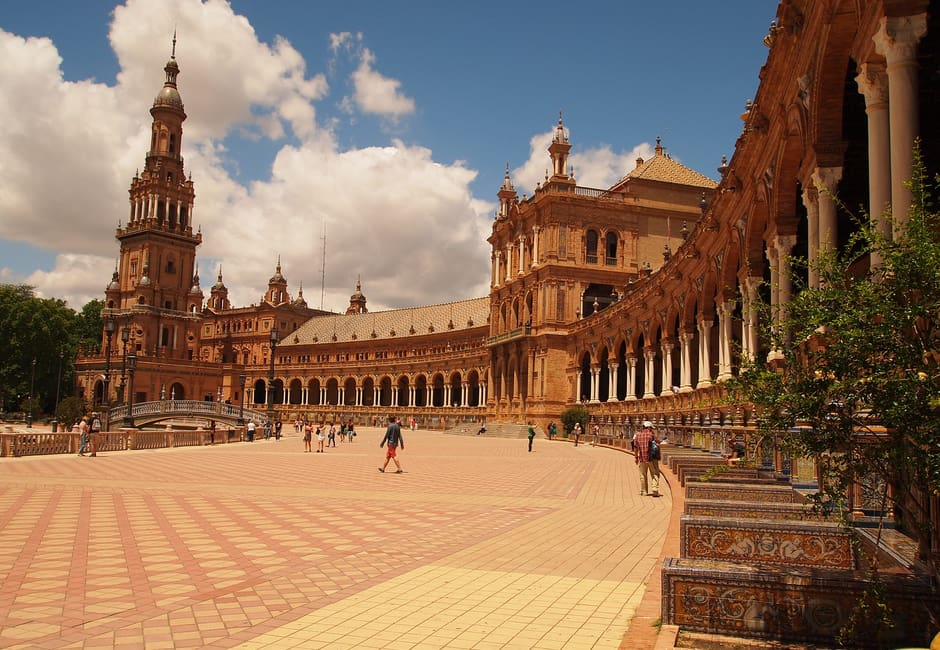
Landmark · Parque de María Luisa y Prado Plaza de España A large semicircular square in the Parque de María Luisa area, with a canal that runs along its curve.
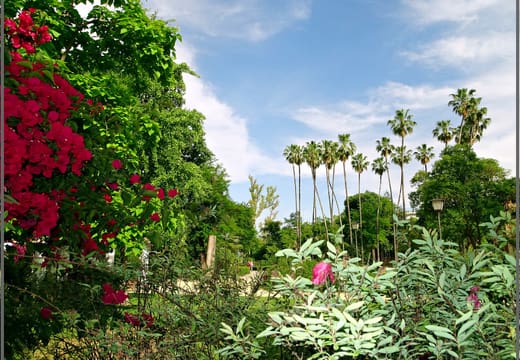
Park · Parque de María Luisa y Prado Parque de María Luisa The main public park of Seville, south of the old city, with the Plaza de España and Plaza de América beside it.
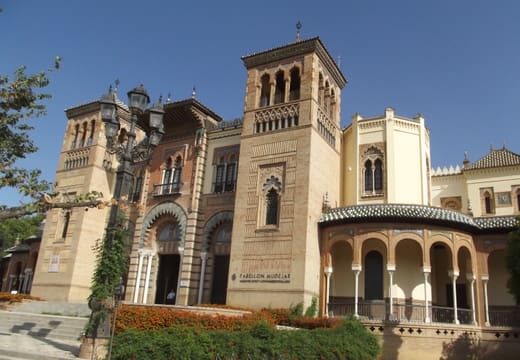
Landmark · Parque de María Luisa y Prado Plaza de América A square in the Parque de María Luisa that holds the Archaeological Museum and the Museum of Popular Arts and Customs.
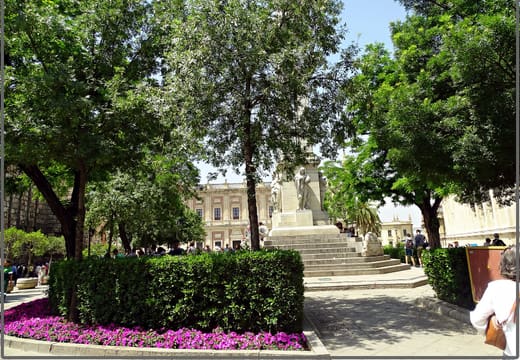
Landmark · Santa Cruz Plaza del Triunfo A pedestrian square between the cathedral and the Alcázar.
Landmark · Santa Cruz Callejón del Agua A narrow lane in Santa Cruz, the old Jewish quarter next to the Alcázar.
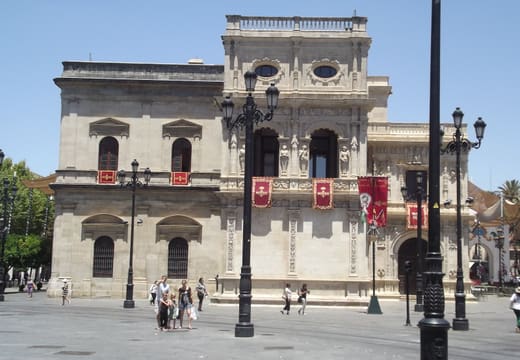
Landmark · Centro Plaza Nueva A square in front of the town hall, at the start of Avenida de la Constitución.
Shopping · Centro Calle Sierpes A pedestrian shopping street in the centre that runs north from Plaza de San Francisco.
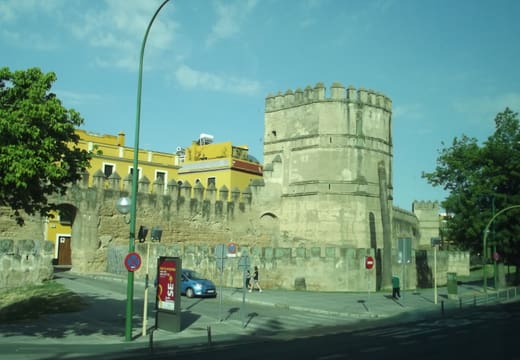
Landmark · La Macarena Muralla de la Macarena A stretch of the old city wall near the Macarena.
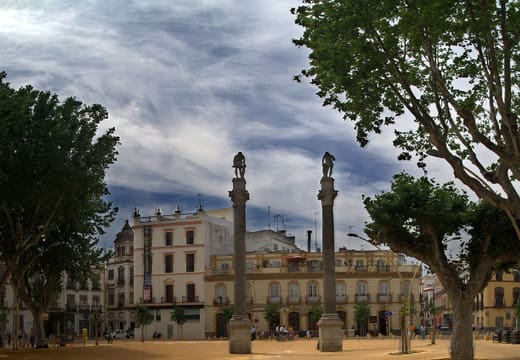
Landmark · Alameda y San Lorenzo Alameda de Hércules A long tree-lined promenade square in the north of the old city, with bars and cafes along its sides.
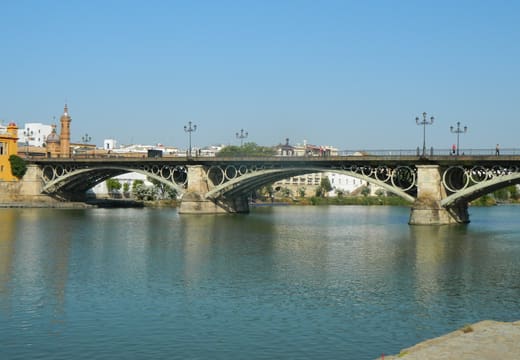
Landmark · Triana Triana Bridge The Puente de Isabel II across the Guadalquivir, between El Arenal and Triana.
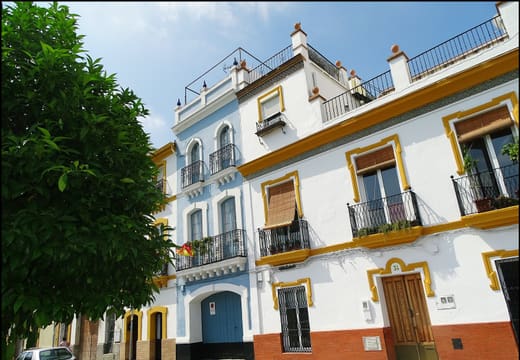
Landmark · Triana Calle Betis A riverside street on the Triana bank of the Guadalquivir.
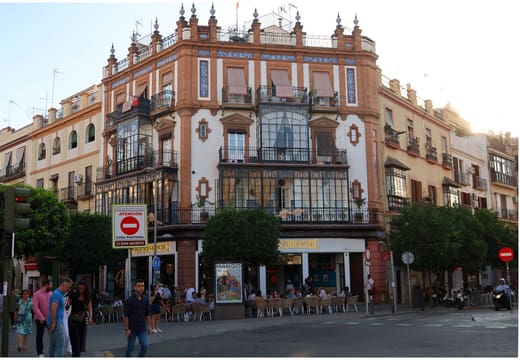
Landmark · Triana Plaza del Altozano The square at the Triana end of the bridge.
Park · Los Remedios Parque de los Príncipes A park in Los Remedios beside Avenida República Argentina.
Landmark · Los Remedios Plaza de Cuba A square on Avenida República Argentina in Los Remedios.
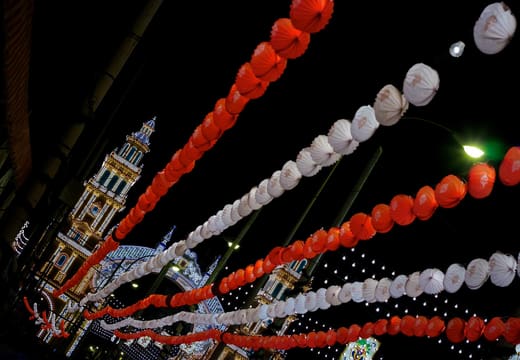
Landmark · Los Remedios Feria de Abril Fairground The fairground in Los Remedios where the April Fair is held.
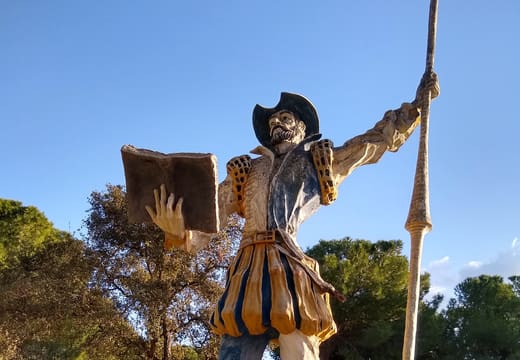
Park · La Cartuja Parque del Alamillo A large park in the north of the Isla de la Cartuja, beside the Alamillo bridge.
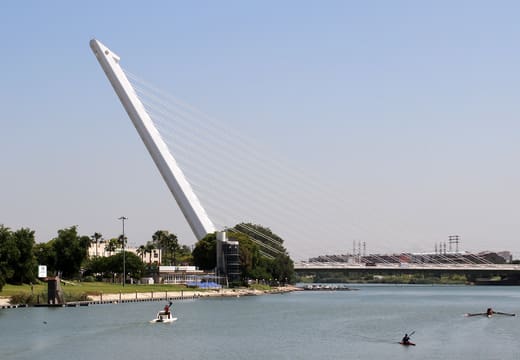
Landmark · La Cartuja Puente del Alamillo A cable-stayed bridge over the Guadalquivir at the north end of the Isla de la Cartuja.
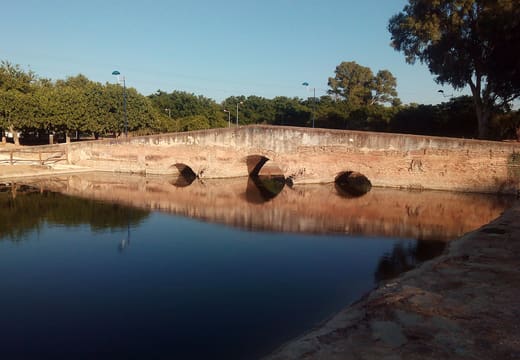
Park · La Macarena Parque de Miraflores A park in the north of Seville.
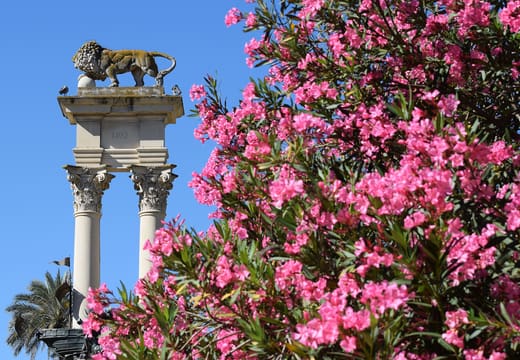
Park · Santa Cruz Jardines de Murillo Gardens along the old city wall, next to the Alcázar and Santa Cruz.
Park · Santa Cruz Paseo de Catalina de Ribera A path through the Jardines de Murillo along the wall of the Alcázar.
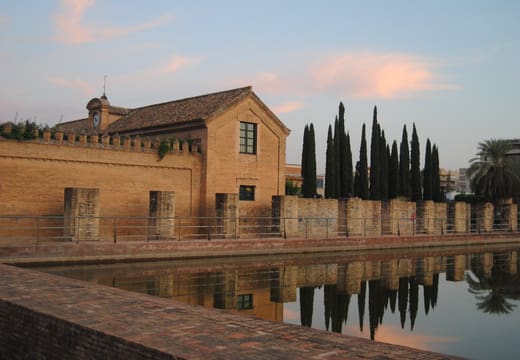
Park · San Bernardo Jardines de la Buhaira Gardens in the Buhaira area, near the Sevilla FC stadium.
Shopping · Nervión Calle Luis Montoto A shopping street between Nervión and the centre.
Shopping · Centro Calle Tetuán A pedestrian shopping street in the centre.
Market · La Macarena Mercadillo del Jueves A Thursday street market on Calle Feria.
Day trip · Ronda Ronda Puente Nuevo The Puente Nuevo, a bridge over the gorge that divides Ronda.
Church · Alameda y San Lorenzo Basílica del Gran Poder A basilica built between 1960 and 1965 on Plaza de San Lorenzo. It holds the Cristo del Gran Poder, a Nazarene carved by Juan de Mesa in 1620 that is carried out on the early morning of Good Friday.
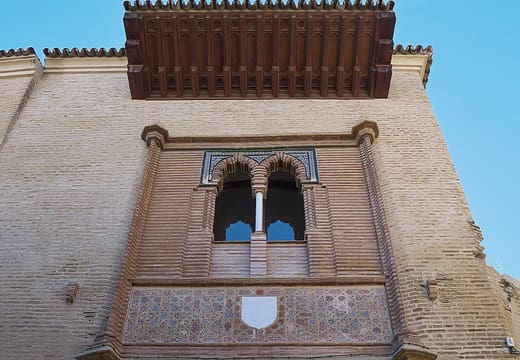
Landmark · La Macarena Palacio de los Marqueses de la Algaba A 15th century palace on Plaza Calderón de la Barca, one of the best examples of civil Mudéjar art in the city. It keeps its Gothic-Mudéjar doorway and houses a Mudéjar art centre.
Museum · Parque de María Luisa y Prado Military History Museum A museum on the military history of Seville, entered beside the Puerta de Aragón inside Plaza de España. It opened in 1992.
Landmark · Alameda y San Lorenzo Espacio Santa Clara and Torre de Don Fadrique A former convent founded in 1289, now a municipal cultural space with exhibitions and events. It keeps the Torre de Don Fadrique, a Romanesque and Gothic stone tower from the palace of Prince Fadrique.
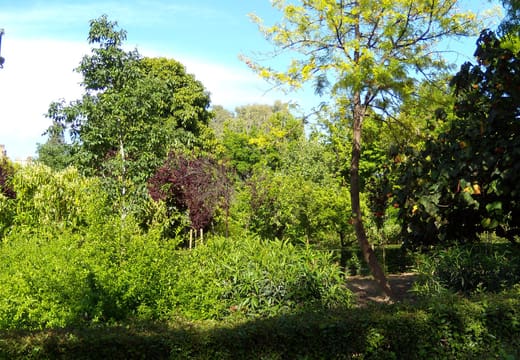
Park · Centro Jardines del Valle A small garden on the site of a convent and later a girls' school, between Calle María Auxiliadora and Calle Sol. It has about 50 plant species, including jacarandas, and a surviving stretch of the old city wall on one side.
Day trip · Córdoba Córdoba Synagogue A small Mudéjar building from the early 14th century in the old Jewish quarter. It's the only surviving Jewish place of worship in the city, with stucco decoration, Hebrew inscriptions and a women's gallery.
Day trip · Cádiz Roman Theatre of Cádiz The remains of a Roman theatre built in the 1st century BC in the El Pópulo quarter, with an interpretation centre called Theatrum Balbi. It's the oldest Roman theatre on the Iberian Peninsula.
Day trip · Villanueva del Río y Minas Munigua Roman City The ruins of a Roman mining town in the hills north of Seville, best known for a terraced sanctuary to Fortuna and Hercules. Most of what you see dates from the 1st to 3rd centuries AD.
Day trip · Valencina de la Concepción La Pastora Dolmen A burial chamber from the 3rd millennium BC with a corridor over 45 metres long, part of a large prehistoric settlement above Seville. Visits are arranged from the Casa de la Cultura in Valencina.
Day trip · Santiponce Monastery of San Isidoro del Campo A fortified monastery founded in 1301 next to the ruins of Itálica, with a double church mixing Gothic, Mudéjar and Almohad features. Its murals and two altarpieces by Martínez Montañés are the main draws.
Day trip · Cádiz Cádiz Salting Factory The remains of a Roman fish-processing plant from the 1st century BC, with large tanks used for salted fish and garum. The visit includes panels, a display of finds and an audiovisual.
Landmark · Centro Plaza de la Magdalena A small planted square of about 1,000 square metres with a central fountain, orange trees and dwarf pomegranate hedges. It sits in front of the Magdalena church, and the city's parks page says the church was demolished under Joseph Bonaparte to open the square.
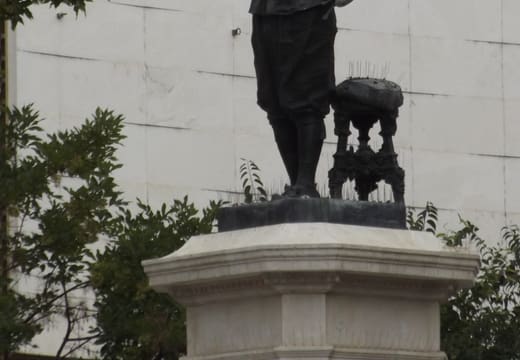
Landmark · Centro Plaza del Museo A planted square in front of the Museum of Fine Arts, laid out in 1846 on land freed when the Merced convent was demolished. Four large Ficus macrophylla trees, planted around 1925 with stock from the Parque de María Luisa, mark its corners.
Landmark · Centro Plaza del Duque de la Victoria A square of 1,650 square metres in the shopping centre of the city, known to locals simply as Plaza del Duque. It was named after the Duke of Medina-Sidonia's palace in the 16th century and renamed in 1841 for General Espartero.
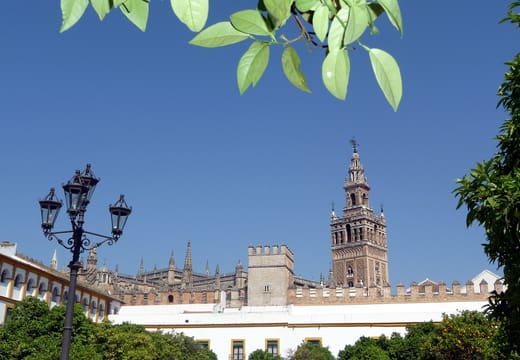
Landmark · Santa Cruz Patio de Banderas A tree-lined square between Plaza del Triunfo and the Callejón de la Judería. It was the parade ground of the original Alcázar fortress, and an arch on the Plaza del Triunfo side gives access.
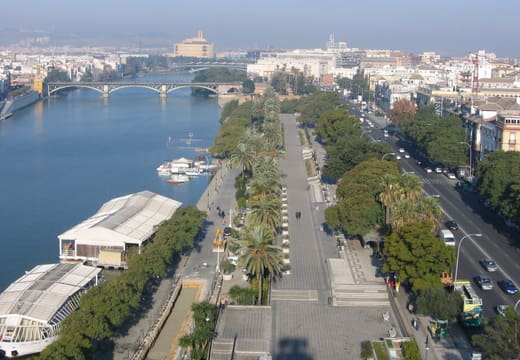
Landmark · El Arenal Paseo de Colón A riverside promenade along the Guadalquivir between the Triana Bridge and the Puente de San Telmo, opened as gardens in December 1979 on old port quays. It passes the Maestranza bullring and theatre and ends at the Torre del Oro, with monuments including Chillida's Tolerance on the lower path.
Park · Alameda y San Lorenzo Jardines de Chapina A riverside garden on the left bank between the Triana Bridge and the Puente del Cachorro, built after the 1948 to 1950 flood works. It has a more natural feel than the paved promenade next to it, with tamarisks, white poplars and a large Indian laurel growing at the water's edge.
Park · Santa Cruz Jardines de la Lonja A small formal garden of about 1,200 square metres on Avenida de la Constitución, in front of the Archivo General de Indias. Myrtle hedges surround a round fountain with lion and dog statues, with jacarandas and Washingtonia palms.
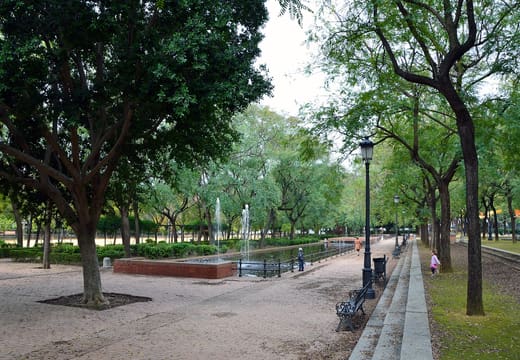
Park · Parque de María Luisa y Prado Jardines del Prado de San Sebastián A large formal garden of about 5.8 hectares on the site of the old cattle fair that led to the Feria de Abril. It is laid out on three levels with fountains, ponds and a central open space, and opened in its current form in 1997.
Park · Santa Cruz Jardines de Cristina A triangular garden between Paseo de las Delicias, Avenida de Roma and Paseo de Cristina. It began as the Salón de Cristina in 1830 and is now reduced to a smaller triangle after the 1929 exhibition works.
Park · La Macarena Jardines de la Torre de los Perdigones A garden of 1.7 hectares built around the 43-metre brick shot tower of the old San Francisco foundry. The tower was restored in 1992 as a public viewpoint, and the gardens opened in December 2002.
Landmark · Centro Plaza del Cristo de Burgos A shaded square laid out to a 19th-century plan, with a raised central promenade and four large rubber figs, Ficus macrophylla, planted around 1925. Iglesia de San Pedro closes its north side.
Church · Triana Chapel of the Carmen A small brick and ceramic chapel at the Triana end of the Puente de Isabel II, beside Plaza del Altozano. Aníbal González built it in 1928 with the ceramicist Emilio García García, and it has an octagonal bell tower.
Church · Centro Convent of Santa Inés A convent church in the centre, organised around forecourts, patios and a garden. Its three-nave church has ribbed vaults and was decorated around 1630 with stucco and murals by Francisco Herrera el Viejo.
Church · Centro Church of San Marcos A Gothic-Mudéjar church on the site of a former mosque, one of the least altered of its type in the city. Its bell tower is the old minaret, restored by Aníbal González in 1916.
Church · Centro Church of San Román A Gothic-Mudéjar church dating from 1356, one of the oldest in Seville. It has three naves, with a taller central one lit by high windows.
Church · Alameda y San Lorenzo Church of Santa Marina A Gothic-Mudéjar church on Calle San Luis, probably begun around 1265 and listed as a Bien de Interés Cultural. It is the seat of the Hermandad de la Santa Cruz y Sagrada Resurrección.
Church · Centro Church of El Valle A church built within the former Convento del Valle, now the seat of the Hermandad de los Gitanos. It was consecrated as a sanctuary in 2007.
Church · Triana Church of Our Lady of the O A baroque parish church in Triana, built between 1697 and 1702 and owned by the Brotherhood of the Virgen de la O. The page notes it is the only church in Seville made a parish within a privately owned building.